Millet Benefits Explained: From Digestion to Energy with Grape Tree
At Grape Tree, we believe in foods that are both wholesome and versatile. Among the wide range of natural ingredients that have stood the test of time, millet is making a strong comeback in kitchens worldwide. Once a staple in many ancient civilisations, millet is now celebrated as a modern superfood thanks to its nutritional richness, gluten-free nature, and countless culinary possibilities.
The History of Millet
Millet is one of the oldest cultivated grains in the world, dating back over 4,000 years. It was a staple food in regions of Asia and Africa, prised for its resilience in harsh growing conditions. Unlike wheat or rice, Millet can thrive in dry, arid climates, making it a sustainable and dependable crop.
From porridge in Africa to flatbreads in India, millet has nourished generations across cultures. Today, as more people turn to ancient grains for healthier diets, millet is once again taking its rightful place on our plates.
Nutritional Profile of Millet
Millet may be small in size, but it delivers big when it comes to nutrition. A serving of millet is packed with:
-
Magnesium – Supports bone strength, nerve function, and energy production.
-
Phosphorus – Essential for healthy bones and tissue repair.
-
Iron – Important for red blood cell production and oxygen transport.
-
B vitamins – Help maintain energy levels, brain function, and cell metabolism.
-
Protein – Provides plant-based protein for vegetarians and vegans.
-
Dietary Fibre – Promotes healthy digestion and gut health.
-
Antioxidants – Fight free radicals and protect cells from oxidative stress.
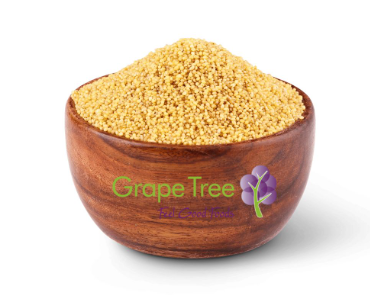
One of millet’s key advantages is that it is naturally gluten-free, making it a perfect grain alternative for those with gluten sensitivities or coeliac disease.
Health Benefits of Millet
1. Supports Digestive Health
With its high fibre content, millet aids digestion and promotes a healthy gut environment. It helps prevent constipation and supports the growth of beneficial bacteria in the digestive tract.
2. Aids in Weight Management
Because millet is both protein-rich and high in fibre, it keeps you full for longer. This helps reduce unnecessary snacking and supports a balanced weight.
3. Promotes Heart Health
The magnesium and antioxidants in millet help reduce blood pressure, regulate cholesterol levels, and improve circulation, lowering the risk of heart disease.
4. Manages Blood Sugar Levels
Unlike refined grains, millet has a low glycaemic index, which means it releases energy slowly. This helps in stabilising blood sugar levels, making it a smart option for people with diabetes or anyone aiming to balance energy throughout the day.
5. Strengthens Bones and Muscles
Rich in phosphorus and magnesium, millet supports healthy bones, muscle repair, and recovery. It is an excellent choice for those with active lifestyles.
6. Boosts Immunity
Packed with essential minerals and antioxidants, millet strengthens the immune system, helping the body fight infections and inflammation.
7. Enhances Skin and Hair Health
The presence of amino acids, along with minerals like iron and zinc, makes millet beneficial for strong hair, glowing skin, and overall vitality.
Types of Millet
There are several varieties of millet, each with unique characteristics and benefits:
-
Pearl Millet – Rich in iron, great for energy and stamina.
-
Finger Millet (Ragi) – Known for its high calcium content.
-
Foxtail Millet – Easy to digest and a good source of protein.
-
Proso Millet – Low in fat and rich in antioxidants.
-
Little Millet – Great for weight management and overall health.
How to Cook and Use Millet
One of millet’s best features is its versatility. It can be cooked in multiple ways to suit different cuisines and dietary needs.
Cooking Basic Millet
-
Rinse millet under cold water.
-
Add 1 cup millet to 3 cups water.
-
Bring to a boil, reduce heat, and simmer for 15–20 minutes until soft and fluffy.
Delicious Ways to Enjoy Millet
-
Millet Porridge: Cook millet with milk or plant-based milk, add honey, nuts, and fruit for a nourishing breakfast.
-
Millet Rice Alternative: Use cooked millet instead of rice in stir-fries, curries, or as a side dish.
-
Millet Salad: Toss cooked millet with roasted vegetables, herbs, and a light dressing for a refreshing grain salad.
-
Millet Bread & Flatbreads: Ground millet flour makes an excellent base for gluten-free bread or flatbreads.
-
Millet Snacks: Create homemade energy bars or laddoos using millet, dates, and nuts.
-
Millet Desserts: Use millet in puddings or cakes for a healthier twist on indulgent treats.
Why Choose Millet from Grape Tree
At Grape Tree, we are committed to offering natural, nutritious, and high-quality foods. Our millet is carefully sourced to ensure purity and maximum nutritional value. By choosing millet from Grape Tree, you are adding a versatile, healthy grain to your diet that supports wellbeing without compromising on taste.
Millet and Sustainability
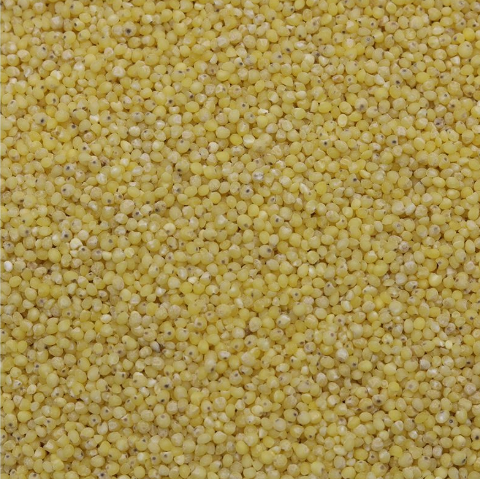
Millet is not just good for you—it’s good for the planet. As a drought-resistant crop that grows in poor soil conditions, millet requires less water and fewer resources compared to many other grains. By incorporating millet into your diet, you are also making a more sustainable choice that supports environmentally friendly farming practises.
Final Thoughts
Millet may be an ancient grain, but it has earned its place in modern kitchens as a superfood that supports health, energy, and wellness. Rich in minerals, gluten-free, and endlessly versatile, millet can be enjoyed in countless recipes—from comforting porridges to hearty mains and even desserts.
At Grape Tree, we are proud to bring you this nutritious staple so you can experience its full benefits. Whether you’re looking to improve digestion, balance blood sugar, strengthen your immune system, or simply explore new flavours, millet is the perfect addition to your diet.


Comments
Post a Comment